
mirror price per square foot
Understanding Measurements at the 4% Foot Level with a Ruler The measurement of physical objects and distances is fundamental in a variety of fields, from engineering and architecture to crafting and everyday tasks. Among the many tools available for measurement, a ruler is one of the most common and versatile. Understanding how to use a ruler effectively can significantly enhance precision and accuracy in any project. One specific interest in measurements is the concept of the 4% foot level, which we will explore in this article. Understanding Measurements at the 4% Foot Level with a Ruler To measure this accurately using a ruler, one must establish a baseline. This involves placing the ruler horizontally on a level surface. Starting from the zero mark, you can then measure out to 4 inches for every 100 inches along the baseline to visualize the gradient. This method allows builders to create ramps or pathways that comply with safety regulations and ensure easy access. 4 foot level with ruler Moreover, understanding and applying the 4% foot level is crucial in designing roads or sidewalks, where insufficient gradient can lead to water pooling and increased wear on materials. For instance, in crafting a wooden ramp, precise measurements help ensure that the slope meets the 4% requirement, making it safe for all users, including those with mobility challenges. In practice, one measures the slope of a ramp with a ruler by first determining the height (rise) of the ramp and the distance traveled along the ground (run). For a 4% slope, the relationship can be expressed simply if the ramp rises 4 inches, it should extend 100 inches horizontally. This easy calculation makes it feasible for anyone from DIY enthusiasts to professional builders to ensure their projects are not only functional but also adhere to safety standards. In conclusion, the 4% foot level is a critical concept in measurement that can be easily navigated with a simple ruler. By understanding how to make accurate measurements and apply them to various projects, individuals can enhance their skills and ensure that their creations are both effective and safe. Whether you're tiling a floor, building a ramp, or landscaping a garden, precision is key to success.
about
mirror price per square foot
The Importance of Safety Caps for 20-28mm Plastic Rebar A Comprehensive Overview In the construction industry, safety is paramount, especially when dealing with materials such as rebar, which is often used to reinforce concrete structures. One innovative solution that has gained traction in recent years is the use of plastic safety caps for rebars, particularly those sized between 20-28mm. These safety caps serve a critical purpose by providing protection for both workers and the integrity of the construction site. What Are Plastic Rebar Safety Caps? Plastic safety caps are designed to fit securely over the exposed ends of rebar, which are often sharp and can pose a serious risk of injury. When rebars are cut or placed in position, their sharp ends protrude, creating hazards for workers who may inadvertently come into contact with them. The safety caps are engineered to cover these exposed sections, significantly reducing the risk of cuts, punctures, and other injuries. Manufactured from durable polyethylene or other robust plastics, these caps are lightweight, resistant to weather elements, and durable enough to withstand harsh job site conditions. When designed for rebar sizes ranging from 20 to 28mm, they fit snugly to ensure that they do not easily dislodge, providing reliable safety throughout the construction process. Protecting Workers and Enhancing Site Safety One of the most compelling reasons for using plastic safety caps is to enhance worker safety. Construction sites are inherently dangerous, and even minor injuries can result in significant time lost or even worse, long-term injury. By capping the ends of rebars, contractors can minimize the risk of accidents, thereby creating a safer work environment. Studies have shown that implementing safety measures, such as using rebar caps, can greatly reduce workplace injuries. In addition, having a site that prioritizes safety can improve worker morale and productivity. Employees are more likely to perform well when they feel secure in their working environment, and this translates to a more efficient construction project overall. 20-28mm plastic rebar safety cap Compliance with Safety Regulations Construction companies are often required to adhere to strict safety regulations set forth by governmental and industry bodies. The Occupational Safety and Health Administration (OSHA) and other regulatory agencies mandate that employers take proactive measures to ensure the safety of their workers. This includes the proper capping of exposed rebar ends. Failure to comply with these regulations can result in hefty fines and legal repercussions, not to mention the negative impact on a company’s reputation. By utilizing plastic safety caps for rebar, companies can not only meet these requirements but also demonstrate their commitment to worker safety. This proactive approach can enhance a company’s standing in the industry and attract clients who value corporate responsibility. Environmental Considerations Another angle worth considering is the environmental impact of plastic safety caps. With increasing awareness around sustainable practices in construction, manufacturers are responding by creating caps from recycled or more sustainable materials. This shift not only reduces waste but also aligns with global efforts to minimize the environmental footprint of construction activities. Conclusion In summary, the use of plastic safety caps for 20-28mm rebar is a simple yet effective solution for enhancing safety on construction sites. They protect workers from potential injuries, ensure compliance with safety regulations, and can contribute positively to a company’s reputation. As the construction industry continues to evolve, adopting such safety measures will be crucial in creating a safe and responsible work environment. Investing in safety is not just about following regulations; it is about fostering a culture of care and responsibility that ultimately benefits workers, companies, and the communities they serve.
-

High quality industrial productsagement

High quality industrial products
View Details -

Meet the diverse needs of customers

Meet the diverse needs of customers
View Details -

Strict quality control

Strict quality control
View Details -

Top raw materials

Top raw materials
View Details -

Trusted supplier

Trusted supplier
View Details
Our application


news and information
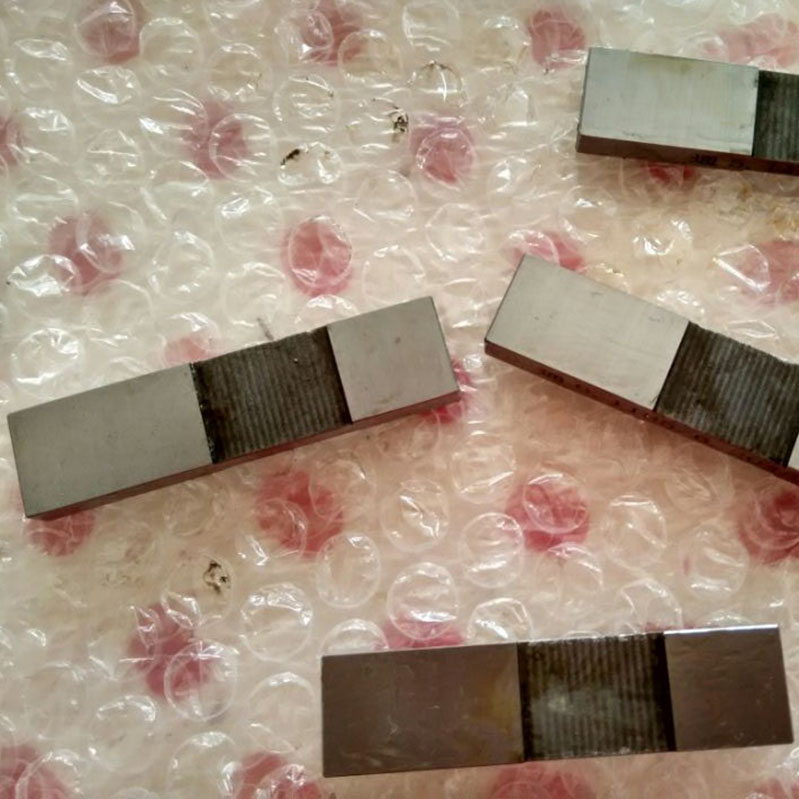
Welding Fabrication Services _ Precision Welding & Custom Fabrication
Understanding Welding and Fabrication A Comprehensive Overview Welding and fabrication are critical
Valve anti - retour Baron
Le Vanne à Boule Un Dispositif Essentiel pour la Sécurité des Systèmes Hydraulique La vanne à boule
Wholesale Valve Selection_ How to Choose the Right Types of Water Valves for Commercial Plumbing
Water valves are essential components in plumbing and industrial systems, controlling the flow and p
 English